Ukrainian
  English
  Spanish
  Persian (Afghanistan)
  Persian
  Japanese
  Panjabi
  Urdu
Urdu 
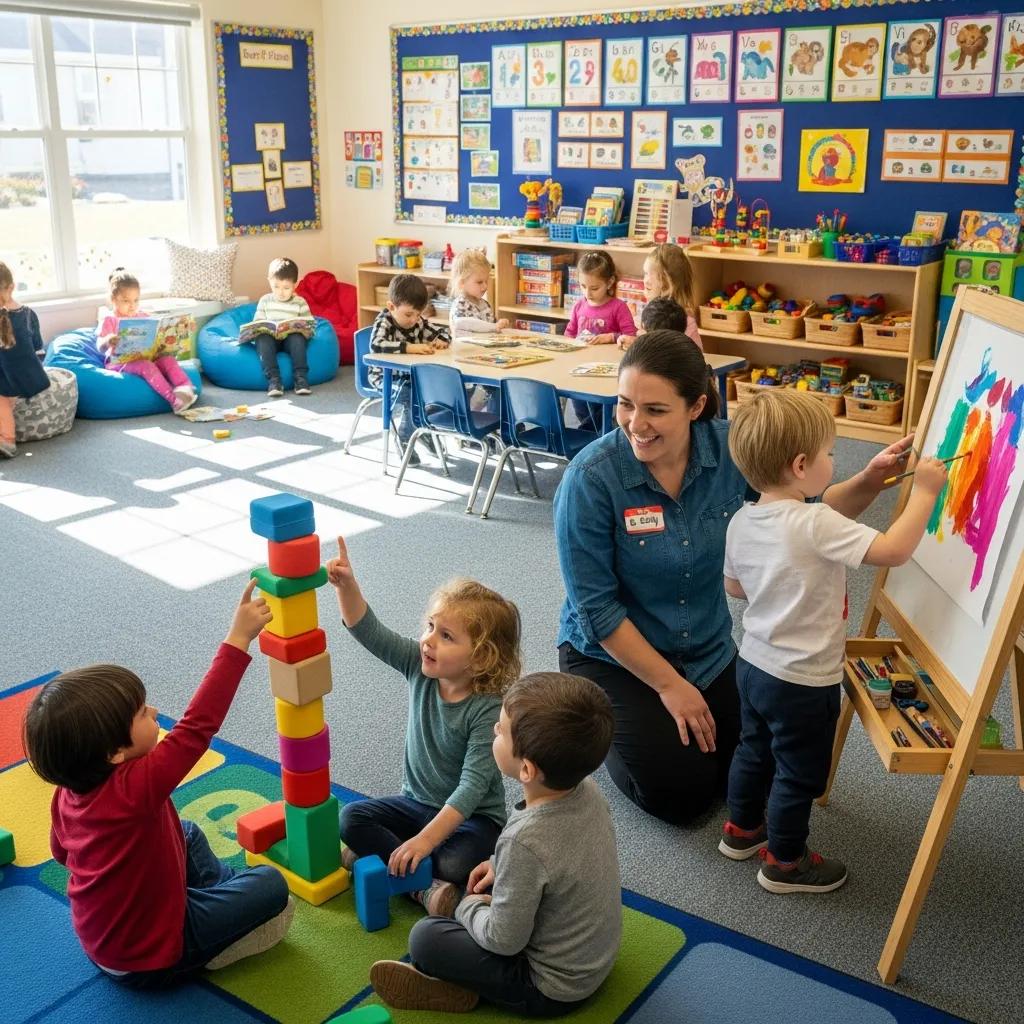
Finding dependable child care in Yuba City means weighing safety, learning opportunities, schedule fit and cost so your child can grow while you work or study. This comprehensive guide, grounded in California’s robust early childhood education framework, walks through local options—daycare centers, preschools, infant and toddler care, family child care homes, and after‑school programs—so you can compare features, licensing and budgets with confidence. You’ll learn how to check California licensing via the CDSS, what to watch for on tours, typical price ranges by age and program type, and where families often find help like Head Start or state child care assistance. Inside are practical checklists, side‑by‑side comparisons of service types and costs, and clear next steps for choosing a program that matches your child’s development and your family’s logistics. We’ve kept local search terms—child care Yuba City, daycare Yuba City, preschool Yuba City—so parents looking for nearby options can find this information quickly. Read on for straightforward, parent‑focused guidance and comparison tools to make the search manageable and effective.
Yuba City offers a range of child care settings: formal daycare centers, preschool programs, infant/toddler care, family child care homes, and after‑school services. Each type serves different ages and developmental needs and varies in hours, curriculum emphasis, staff‑to‑child ratios, and whether the focus is socialization, school readiness, or primarily custodial care. Knowing these differences helps you match a program to language development, motor skills and kindergarten readiness while fitting your work schedule. The table below gives a compact comparison of typical age ranges and program focuses to help plan your search.
This table helps families match work hours, developmental goals and social needs to the right local options before beginning a focused search.
Daycare centers offer daily routines that support social skills and steady developmental progress—important for emotional regulation and peer interactions. Most centers hire trained staff and follow group schedules or curricula that promote language, motor skills and social milestones while providing predictable mealtimes and naps. For working families, centers frequently offer extended hours and reliable drop‑off logistics that reduce day‑to‑day stress and help parents stay on the job. Those practical advantages, alongside structured early learning moments, make daycare centers a common choice for families balancing work and child development.
- Predictable routines that support behavior and sleep patterns.
- Regular group interaction that builds sharing, cooperation and communication.
- Access to trained staff and organized activities that support cognitive and motor growth.
By blending daily care with small learning opportunities, daycare centers can ease the transition into preschool and elementary school settings.
How Do Preschool Programs Support Early Learning in Yuba City?

Preschools focus on kindergarten readiness: early literacy and math, self‑help skills, and social‑emotional learning in a classroom‑style setting. Approaches range from play‑based to more academically oriented or blended models, but all aim to build listening skills, early number sense, vocabulary and cooperative play—skills that help children start school with confidence. Look for programs that balance child‑directed exploration with teacher‑planned learning so curiosity and foundational skills develop together. A thoughtful preschool experience can lower transition stress and support stronger classroom engagement in the early grades.
Start your search by verifying a provider’s license through the California Department of Social Services and by using trusted directories and local referrals to create a shortlist. Licenses indicate compliance with health and safety rules, staff qualifications and background checks; checking license type and expiration is a quick safety filter. Local resources—online directories, school district family services and community partners—help locate providers, while brief phone calls and in‑person tours confirm whether a site feels right. The table below offers a short verification checklist parents can use while researching providers.
|
License Check |
Where to Verify |
Compliance Notes |
|---|---|---|
|
License status |
CDSS Community Care Licensing Division website |
Confirms active license and capacity limits |
|
Background checks |
Provider records and posted documentation |
Look for fingerprinting and clearances on file |
|
Staff qualifications |
Posted credentials or parent handbook |
Verify required trainings and staff‑to‑child ratios |
Use this checklist to turn licensing language into concrete, observable items that prioritize safety and compliance when evaluating local providers.
California’s CDSS Community Care Licensing Division (CCLD) sets stringent requirements for child care facilities to ensure the safety and well-being of children. These regulations mandate background clearances for all staff, comprehensive health and safety training (including CPR and first aid), minimum staff‑to‑child ratios to ensure adequate supervision and individualized attention, and facility safety standards designed to reduce common risks in child care settings. These rules ensure emergency plans are in place and staff hold necessary health and first‑aid training, but licensing alone doesn’t guarantee a program’s educational approach or quality. Always ask providers to show proof of an active license and staff training during visits, and follow up with the state site to confirm expiration dates. You can search for licensed providers and view their compliance history directly on the CDSS Child Care Search website. Verifying licensing is an important first step before you assess curriculum and logistics.
Knowing how licensing works helps you confirm a safe, compliant environment for your child.
Licensed Family Day Care Providers’ Views on Regulations in Northern California
ABSTRACT: PURPOSE: This survey asked licensed family day care providers in two Northern California counties about their perspectives on current licensing regulations and four proposed alternatives. The findings are intended to inform legislators, licensing agencies and other stakeholders planning improvements and expansion of child care services. PROCEDURES: The questionnaire included opinion statements reflecting key elements of the existing licensing system and four alternative approaches (Part I), plus five demographic items (Part II) to correlate provider characteristics with regulatory views. The instrument was pilot tested in Stockton, California, with reliability assessed via test‑retest. A sample of 620 licensed providers was invited to participate; 343 usable questionnaires were returned, yielding a 57% response rate. CONCLUSIONS: The results offer insight for policy and planning related to family day care regulation.
Choosing licensed child care means weighing safety, staff interactions, curriculum and communication so the program supports your child’s development and fits your family routines and values. On tours, note cleanliness, secure entrances, age‑appropriate equipment, respectful staff‑child interactions, visible schedules and posted credentials. Ask about staff turnover, illness policies and emergency procedures. Also check logistics—hours, pick‑up routines, fee structure and how the program shares daily information with families. Take notes and compare providers with a simple checklist to make objective decisions during competitive enrollment periods.
- Check cleanliness, secure entry points and age‑appropriate equipment.
- Confirm staff‑to‑child ratios and ask about substitute staffing plans.
- Ask how the program communicates: daily notes, an app or scheduled updates.
While evaluating providers, be vigilant for potential red flags that could indicate a less-than-ideal environment. These include: a lack of visible licensing information or reluctance to provide it, unusually high staff turnover, unclean facilities or unsafe play areas, staff who seem disengaged or overly strict with children, a lack of clear emergency procedures, or an inability to answer questions about curriculum or daily routines. Trust your instincts; if something feels off, it’s worth investigating further or considering other options.
Recording these observations helps you compare sites objectively and focus on the criteria that matter most for your child’s wellbeing and learning.
Child care costs in Yuba City vary by child age, program type and hours. Infants usually cost more than toddlers and preschoolers because of lower staff ratios and specialized care. Price drivers include full‑time vs. part‑time attendance, staff credentials, facility overhead and extras like meals or enrichment classes. Many families find help through Head Start, state subsidies and locally run early childhood education programs that can provide lower‑cost or free preschool seats for eligible households. The table below lists typical ranges and common subsidy sources to help plan a realistic family budget.
|
Program |
Typical Cost Range |
Available Subsidies |
|---|---|---|
|
Infant care |
$1,200–$1,600/month |
State child care assistance |
|
Toddler care |
$900–$1,300/month |
Sliding‑fee programs |
|
Preschool (part‑day) |
$400–$700/month |
Head Start and local preschool programs |
|
After school |
$200–$500/month |
School‑linked subsidies |
Use this cost snapshot as a planning tool; actual prices vary, so request fee schedules and ask about waitlists or sliding‑scale options when you contact providers.
Average prices reflect local supply, staff credentials and daily hours. Infants cost the most because of intensive care needs and lower ratios, while half‑day preschool programs are usually less expensive. To estimate monthly expenses, multiply weekly rates by four and include registration, supply fees and any extra hours beyond standard care. Compare full‑time and part‑time pricing and confirm whether meals, diapers or enrichment are included to avoid surprise charges. Asking for a sample invoice helps you build an accurate household budget.
Eligible families can apply for Head Start, state child care subsidies administered by county agencies such as the Yuba County Department of Social Services, and local Early Childhood Education resources and referrals that connect parents with application support and enrollment options. Specifically, California offers several key programs, including CalWORKs Stage 1, 2, and 3, which provide child care assistance to families receiving or transitioning off cash aid, and the Child Care Alternative Payment Program (CAPP), which helps eligible low-income families pay for child care services. Head Start serves income‑eligible three‑ and four‑year‑olds with comprehensive early education and family supports; state subsidies help working parents cover center or home‑based care based on income and employment. To apply, contact county child care resource agencies or family services for eligibility rules, required documents and application timelines. Applying early improves your chances of securing a subsidized slot.
After‑school choices in Yuba City include school‑based extended day programs, community recreation offerings, private enrichment classes in arts or STEM, sports leagues and seasonal camps that provide supervision and learning beyond the school day. Programs differ in hours, transportation, academic support and enrichment focus, and they help working families by extending supervision while reinforcing skills learned in school. Parents can find listings through school district announcements, Yuba City Parks & Recreation communications and online directories. Picking programs that match your child’s interests and schedule boosts engagement and long‑term participation.
Popular options include homework help and tutoring, sports and physical activity clubs, arts and music classes, STEM enrichment and seasonal specialty camps for focused skill building. Each program supports different areas—academics, motor skills, creativity or teamwork—so match a child’s needs to the program focus. Ask about tutor or coach qualifications, coach‑to‑child ratios for sports, and sample lesson plans for enrichment classes. Search multiple sources—local directories and known providers such as Stepping Stones Childcare and Kidz Time—to compare offerings and schedules.
- Homework help and tutoring for academic support.
- Sports and physical activity for coordination and health.
- Arts, music and STEM for creativity and problem solving.
Choosing a mix of activities that fits your child helps support school performance and broader development.
After‑school programs extend learning by reinforcing academics, providing structured social time and building routines that support time management and responsibility. Enrichment activities boost confidence, teamwork and the chance to discover new interests that can influence future learning paths. Research consistently shows that high-quality after-school programs contribute to improved academic performance, reduced behavioral issues, and enhanced social-emotional skills. Signs a program is helping include better homework habits, greater willingness to try new things and stronger peer relationships. Parents who align program choices with developmental goals and check in regularly—brief weekly conversations work well—can help their child get the most from after‑school participation.
To further assist your search and ensure you have access to the most authoritative information, here is a list of essential resources:
- California Department of Social Services (CDSS) Child Care Search: Official portal to verify licenses and view compliance records for child care facilities in California.
- Yuba County Department of Social Services: Information on local social services, including potential child care assistance programs.
- Head Start Program Locator: Find local Head Start and Early Head Start programs for eligible families.
- Early Childhood Education Resources and Referrals (ECenter): A valuable local resource for child care information and support in the Yuba-Sutter region.
- Yuba City Parks & Recreation: Information on community-based after-school programs and recreational activities.
Note: External links are provided for informational purposes. Always verify information directly with the respective organizations.
When evaluating the quality of a daycare or preschool, consider factors such as staff qualifications, child-to-staff ratios, and the curriculum offered. Look for programs that emphasize safety, cleanliness, and a nurturing environment. Observe how staff interact with children and whether they promote positive social interactions. Additionally, inquire about the program’s approach to learning, including whether it is play-based or structured. Checking reviews and testimonials from other parents can also provide valuable insights into the program’s reputation and effectiveness.
Preparing your child for the transition to daycare or preschool involves gradually introducing them to the idea of being in a new environment. Start by discussing what they can expect, including meeting new friends and participating in fun activities. Arrange playdates with other children who will be attending the same program to help them feel more comfortable. Additionally, practice routines such as drop-off and pick-up times to ease anxiety. Familiarizing them with the concept of separation can help make the transition smoother for both you and your child.
Signs that a child is ready for preschool include the ability to follow simple instructions, express their needs verbally, and show interest in socializing with peers. Independence in self-care tasks, such as using the restroom and washing hands, is also a good indicator. Additionally, if your child demonstrates curiosity about learning new things, such as letters, numbers, or colors, they may be ready for a structured learning environment. Observing their emotional readiness, such as managing separation from parents, is equally important in determining readiness for preschool.
After-school programs play a crucial role in a child’s development by providing structured environments that reinforce academic learning and promote social skills. These programs often offer homework assistance, which helps children develop study habits and time management skills. Additionally, they provide opportunities for physical activity, creativity, and teamwork through various enrichment activities. Participation in after-school programs can boost a child’s confidence, encourage new interests, and foster peer relationships, all of which contribute to their overall growth and development.
To find affordable child care options in Yuba City, start by researching local resources such as community centers, school district programs, and non-profit organizations that may offer subsidized care. Utilize online directories and local parenting groups to gather recommendations. Additionally, inquire about sliding scale fees or financial assistance programs offered by providers. Applying for state-funded programs like Head Start can also provide access to lower-cost or free preschool options for eligible families. Early application increases your chances of securing affordable care.
Enrolling a child in after-school enrichment activities offers numerous benefits, including the development of new skills and interests outside of the traditional classroom setting. These programs often focus on areas such as arts, sports, and STEM, allowing children to explore their passions and talents. Additionally, they provide opportunities for socialization, helping children build friendships and improve their teamwork skills. Engaging in structured activities can also enhance a child’s self-esteem and confidence, contributing positively to their overall emotional and social development.
Choosing the right child care in Yuba City ensures your child receives a nurturing environment that supports their development while fitting your family’s needs. By understanding the various options available, from daycare centers to after-school programs, and leveraging authoritative resources like the CDSS, you can make informed decisions that prioritize safety and learning. Take the next step in securing the best care for your child by exploring local providers and resources. Start your search today to find the perfect match for your family’s unique situation.